
As National Psoriasis Awareness Month draws attention to a chronic disease affecting about 8 million Americans, PAs are at the forefront of helping patients navigate treatment options, set expectation and make lifestyle adjustments.
Takeia Horton, PA-C, MPH, a Board Certified PA practicing in dermatology at Emory Healthcare in Atlanta, said she has noticed a shift in how psoriasis is understood and treated.
“The most significant evolution over the past decade has been the shift from a topical-first, skin-limited focus to a comprehensive, systemic, patient-centered model,” she said. “We now recognize psoriasis as a chronic inflammatory disease with systemic implications, including associations with psoriatic arthritis, cardiovascular disease, metabolic syndrome and mental health disorders.”
This broader understanding means PAs aren’t just treating skin but addressing overall patient health.
Building Trust Through Empathy and Education
“Normalizing the disease and validating their experience are two of the most impactful strategies I’ve found,” Horton said. “You want to use empathetic language and acknowledge the emotional toll of having a chronic skin disease, especially one that is very visible and affects interpersonal relationships or the ability to work.”
When patients feel heard, their adherence and engagement improve. Horton advocates for shared decision-making and encourages screening for mental health concerns, which often co-exist with psoriasis.
“Empowerment begins with understanding,” she said.
Navigating a Complex Therapeutic Landscape
There are now a wide range of treatment options available, such as topicals, oral agents and biologics. PAs are responsible for assisting patients in understanding and choosing among these options.
“I like to present all the options and talk through the risks, benefits, side effects and expected outcomes,” Horton said. “Then the patient can make an informed decision that best fits their lifestyle. Every treatment decision should be patient-centered, collaborative, and take into account the patient’s values, fears, goals and medical history.”
Effective Communication is Key
Psoriasis can affect more than just the skin, which suggests that care needs to address additional aspects as well. Horton noted the value of establishing collaborative approaches with other medical specialties.
“PAs in dermatology help to facilitate engagement with primary care, cardiology and rheumatology to provide overall comprehensive care and ultimately produce better outcomes for our patients,” she said.
Horton screens patients for joint pain, fatigue, cardiovascular risk, depression and metabolic issues, and refers early when signs of systemic involvement or mental health concerns appear.
“We use direct communication pathways to share clinical context and urgency. That rapport improves care coordination,” Horton said.
Advancing Equity in Dermatology
Among the most pressing gaps in psoriasis care, Horton points to a critical issue: underrecognition and misdiagnosis of psoriasis in patients with skin of color.
“Psoriasis in darker skin tones is often misdiagnosed as eczema and undertreated. These patients are underrepresented in clinical trials, contributing to persistent gaps in knowledge and care,” she said.
About 5,959 PAs practice in dermatology, with an average weekly patient volume of 119, according to the 2024 NCCPA Statistical Profile of Board Certified PAs by Specialty.
Horton urges her fellow PAs to elevate their diagnostic accuracy, advocate for inclusive research and educate themselves on diverse presentations of the disease.
“We must lessen the delay in treatment and advocate for equity in care for all communities living with psoriasis,” Horton said. “PAs are uniquely positioned to champion the proper recognition, diagnosis and treatment of psoriasis on all skin tones.”
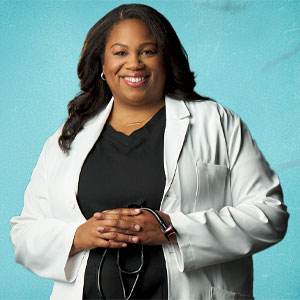
Takeia Horton, PA-C, MPH
Takeia Horton, PA-C, MPH, is a Board Certified PA practicing in dermatology at Emory Healthcare, where she also serves as an APP Clinical Coordinator. She is passionate about leadership, mentoring and advancing diversity in dermatology. Horton is the IDEA Committee co-chair for the Society of Dermatology PAs and the membership and social media committee chair for Georgia Dermatology PAs.